


Choosing a rug for your living room is about more than selecting a colour or texture. The size of your rug can completely change how a space feels - making it appear larger, more balanced, and more thoughtfully styled. In many homes, rug size is one of the most overlooked design decisions, yet it plays a major role in how a living room comes together.
A well-sized rug helps anchor the room, connect furniture, and create a natural sense of flow. Whether you’re styling a compact apartment, a family lounge, or an open-plan living area, choosing the right size rug can make your space feel instantly more cohesive.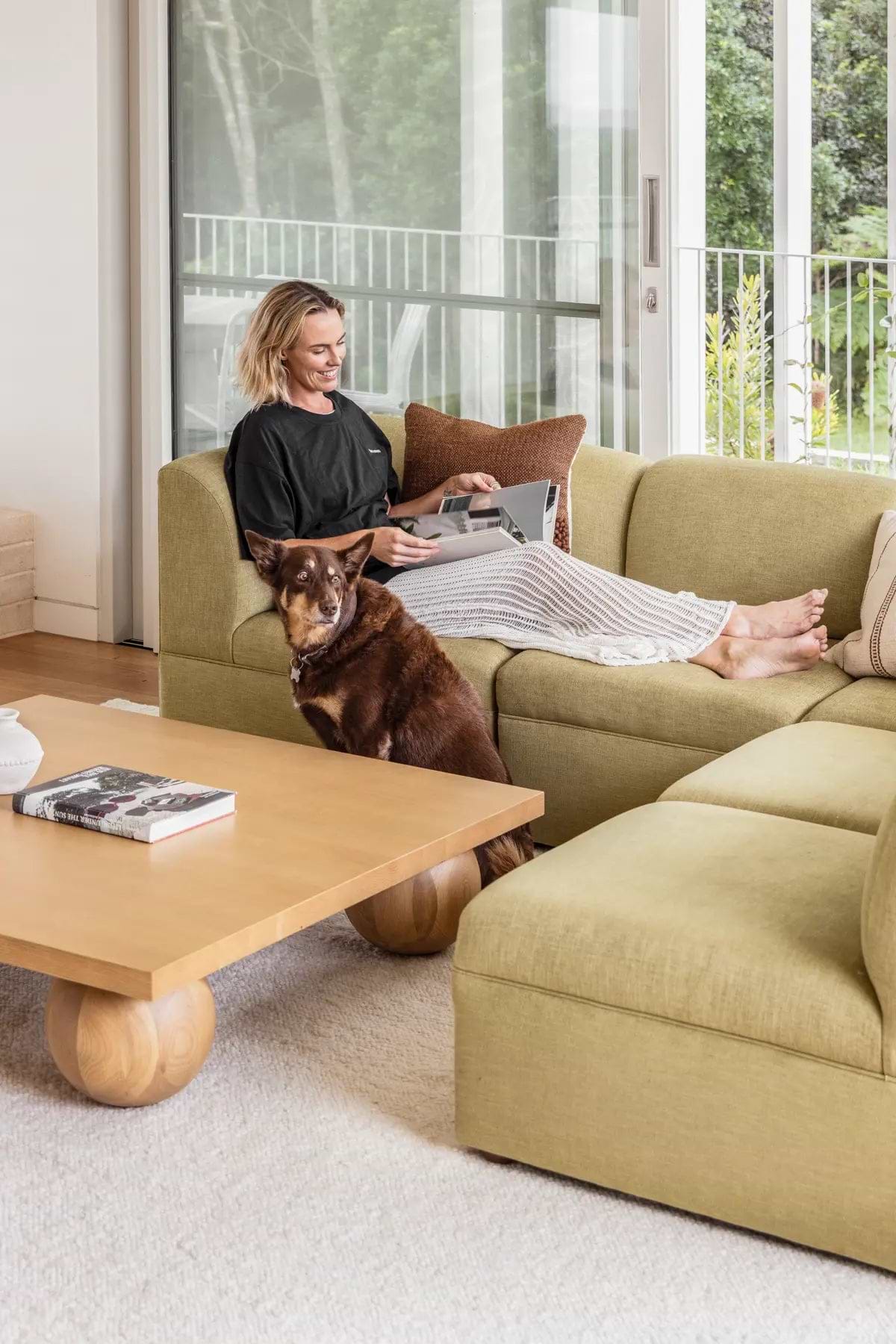
Why rug size matters in a living room
A rug acts as the foundation of a room. It visually ties together your sofa, coffee table, armchairs, and surrounding furniture. When a rug is too small, it can make the room feel disconnected, with furniture appearing to float rather than sit comfortably within the space.
A larger rug often creates a more spacious and elevated look because it grounds the entire seating area. It also brings softness underfoot and helps define the living zone, especially in open-plan homes where spaces flow into one another.
As a general rule, it is often better to size up rather than choose a rug that feels too small.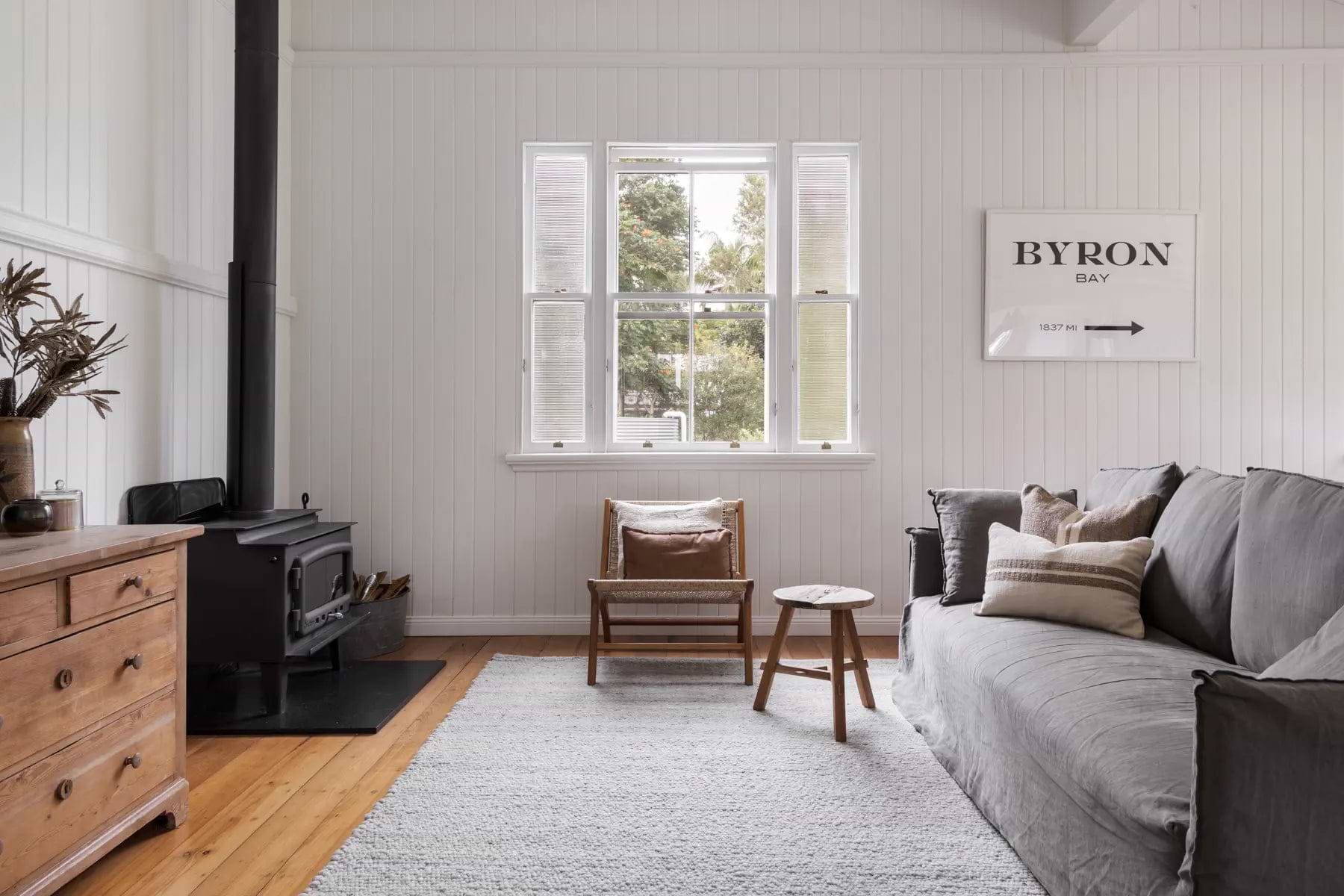
| Featuring our Eltham Popcorn in Grey
What size rug should I get for my living room?
The best rug size depends on the size of your room and how your furniture is arranged. In most living rooms, the rug should sit beneath at least the front legs of your main furniture pieces.
Common rug sizes include:
200 x 300 cm - ideal for smaller living rooms or apartments
250 x 350 cm - suitable for medium to larger spaces
300 x 400 cm - ideal for expansive living rooms or open-plan homes
The goal is to choose a rug that creates connection between the furniture rather than leaving it isolated in the centre of the room.
| Featuring our Bhakti Abrash Wool Rug in Oyster
Should a rug go under the couch?
In most cases, yes. A rug should ideally sit under at least the front legs of your sofa. This helps create a sense of cohesion and makes the seating area feel intentional.
There are three common living room layouts when placing a rug:
1. Front legs on the rug
This is the most popular option. The front legs of the sofa and any armchairs rest on the rug, while the back legs remain off. This layout works well in most homes and provides a balanced look without requiring an oversized rug.
2. All furniture on the rug
For larger living rooms, placing all furniture completely on the rug creates a luxurious, grounded feel. This layout works particularly well in open-plan spaces and large lounges where the rug defines the entire seating area.
3. Coffee table only
This involves placing only the coffee table on the rug. While common in smaller rooms, it can sometimes make the rug feel undersized. If possible, extending the rug under the front legs of the sofa usually creates a more cohesive result.
| Featuring our Eltham Popcorn Wool Rug in Ivory
Is a bigger rug better for a living room?
In many cases, a bigger rug is the better choice. Larger rugs can make a room feel more expansive and considered, while smaller rugs can visually shrink the space.
A rug that is too small can interrupt the flow of the room and make furniture placement feel disconnected. Choosing a larger size often creates a more natural layout, especially in homes where the living room is a central gathering place.
For family homes, larger rugs also offer more functional comfort - creating a soft, durable surface for children to play, relax, and move around on.
| Featuring our Bhakti Abrash Wool Rug in Honey
Best rug size for small living rooms
In smaller living rooms, it may seem practical to choose a smaller rug, but this can sometimes have the opposite effect. A rug that is too small can make the room feel tighter and less balanced.
For compact spaces:
Choose a rug large enough to sit under the front legs of the sofa
Leave a border of visible flooring around the rug
Avoid placing a tiny rug only under the coffee table unless the room is very compact
A medium-sized rug often works best in smaller spaces because it creates the illusion of a larger, more open room.
| Featuring our Bhakti Abrash Wool Rug in Brown Butter
Best rug size for open-plan living rooms
Open-plan homes often benefit from larger rugs because they help define zones within a shared space. A rug can visually separate the living area from dining or kitchen zones, making the room feel more structured.
In these layouts, oversized rugs are often the most effective choice. They create a clear anchor for the lounge and allow furniture to sit comfortably within one defined area.
Natural fibre rugs are particularly popular in open-plan homes because they add warmth and texture while remaining durable enough for everyday use.
| Featuring our Bhakti Abrash Wool Rug in Oyster
Common rug sizing mistakes to avoid
When choosing a living room rug, a few common mistakes can affect the overall feel of the room.
Choosing a rug that is too small
This is the most common issue. A small rug can make furniture feel disconnected and the room appear unfinished.
Not considering furniture placement
A rug should work with the furniture layout, not sit independently in the centre of the room.
Ignoring everyday use
A living room rug should suit how you actually live. Consider children, pets, entertaining, and how often the space is used.
Choosing a natural fibre rug for everyday living
Material matters just as much as size. A living room rug needs to be durable, comfortable, and suited to daily life.
Natural fibre rugs made from materials such as 100% New Zealand wool, jute, or recycled cotton are ideal for living rooms because they combine softness with practicality. Wool rugs, in particular, are resilient underfoot and designed to handle everyday wear while maintaining their texture over time.
For homes that are lived in daily, natural fibres offer a practical and long-lasting foundation - adding warmth, comfort, and an elevated feel without compromising durability.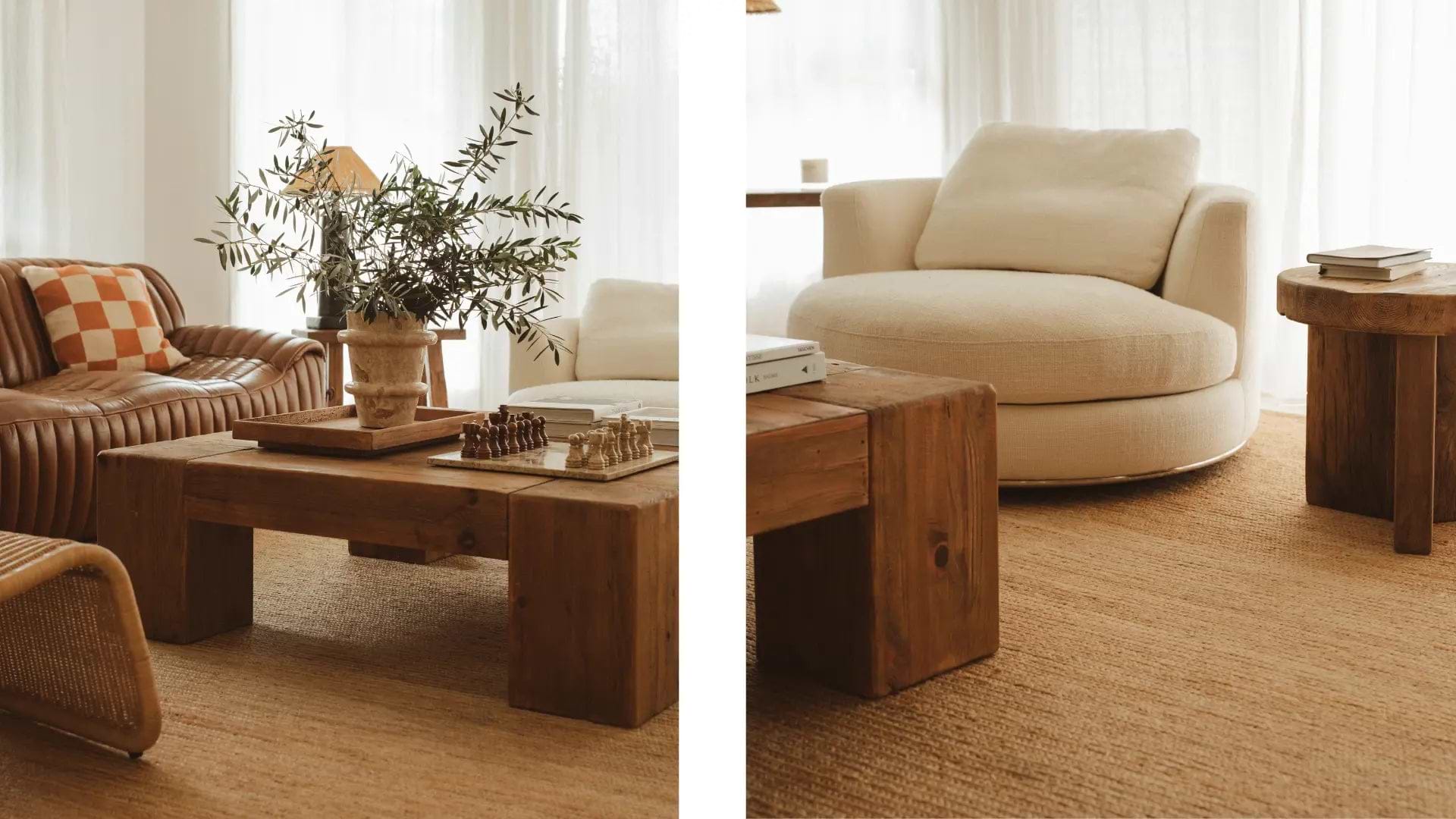
| Featuring our Dharma in Natural Jute
The right living room rug should feel proportionate to the space and work with the way you live. In most cases, a larger rug will create a more balanced and inviting room, helping anchor your furniture and bring the whole layout together.
When in doubt, choose a rug that allows at least the front legs of your sofa to sit comfortably on the surface. This simple design choice can transform the feel of a room and create a more cohesive, considered interior.
Whether you’re styling a compact lounge or an expansive open-plan home, the best rug is one that feels made for everyday living - grounding the space, softening the room, and designed to be lived in for years to come.
Shop the Collection -
Natural Fibre Rugs

| Featuring our Bhakti Abrash Wool Rug in Brown Butter


